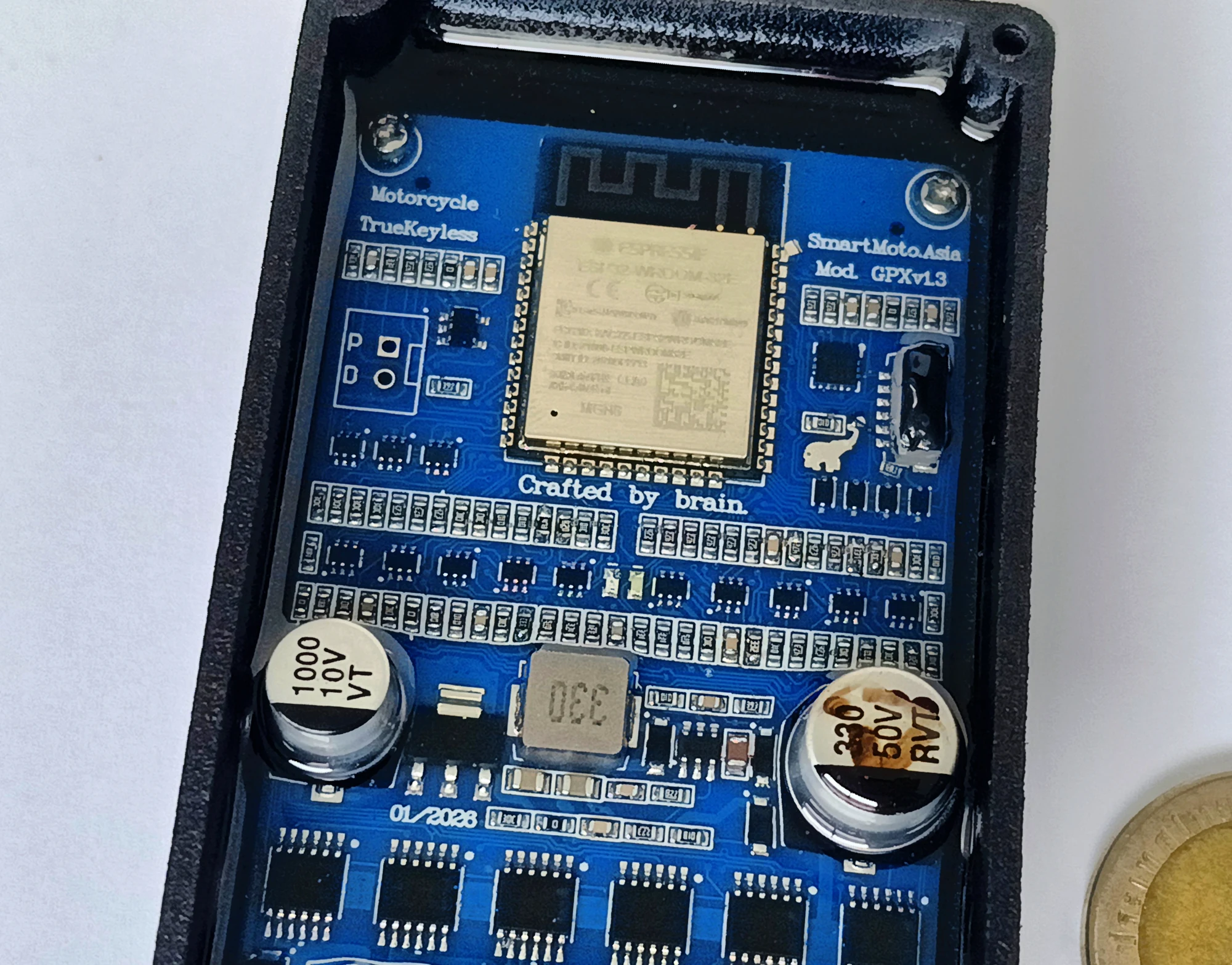
Designed around the GPX from the start
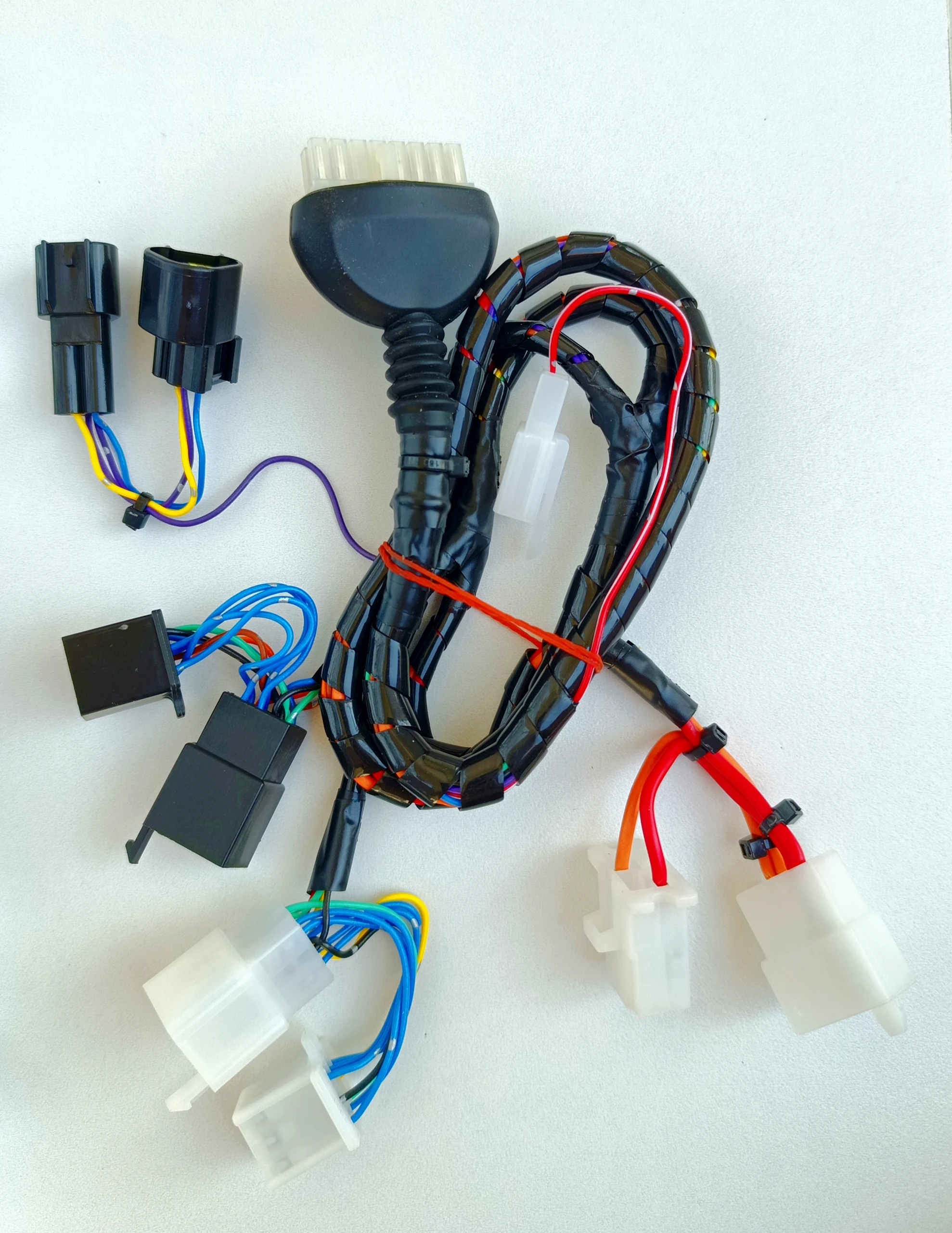
TrueKeylessGPX began as a system for the GPX. Only later did I decide to expand it to other motorcycle models. Its electronics, operating logic and physical connections were developed around the motorcycle, including a dedicated wiring harness for pin-to-pin connection to the GPX 250 Twin.
That harness connects the system to the GPX’s existing connectors. Installation is part of the engineering brief: the interface between the control unit and the motorcycle deserves the same attention as the circuitry and firmware.
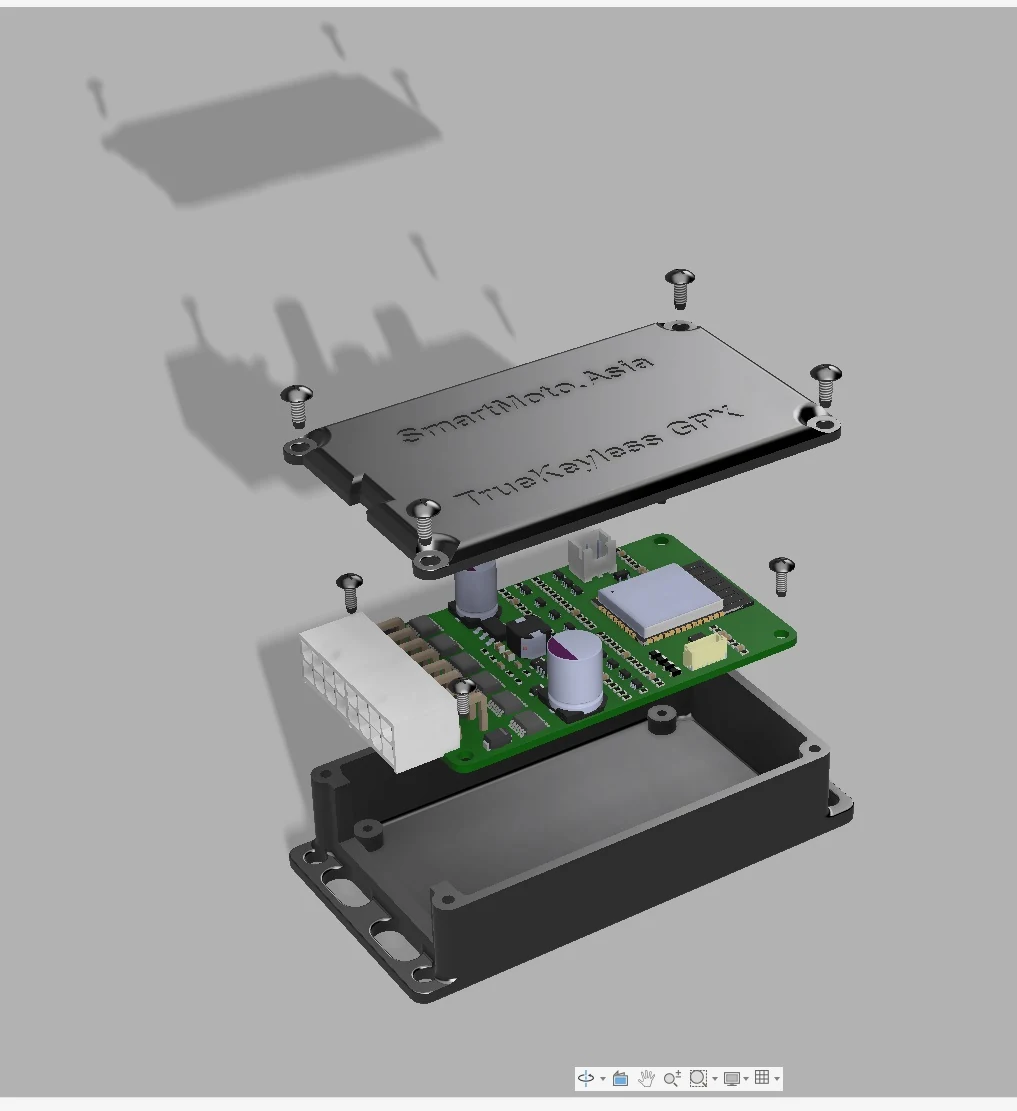
Your phone becomes the ignition key
With TrueKeylessGPX, my paired phone takes the place of the ignition key for everyday riding. It stays in my pocket: the system recognises it over Bluetooth Low Energy, and I use the motorcycle’s own starter button to switch on the ignition and start the engine.
The service app is used for setup and reviewing data. It does not need to be open while riding.
From sleep to a running engine
- Wake the system. Bring the bike upright from its side stand, or briefly press the starter button. A short beep confirms wake-up.
- Authorise. The paired phone connects, usually within one or two seconds. A confirmation melody and gently pulsing turn signals show that the system is ready.
- Turn on ignition. Press the starter button twice, leaving no more than one second between presses.
- Start the engine. Press the starter with the brake released.
- Stop and switch off. Press the starter twice with the brake pressed. The system then waits before returning to sleep; the manual describes a configurable 15-second delay.
From starting up to switching off
This video shows TrueKeylessGPX on my motorcycle: starting the engine, moving off, coming to a stop and switching the engine off.
TrueKeylessGPX on my GPX · Watch on YouTube ↗
What happens when the phone disappears?
Start authorisation and continued engine operation are separate decisions. If the phone connection is lost during a ride, the engine keeps running. The manual describes audible reminders after 150 and 400 metres, so I can return for a forgotten phone. After switching off, a PIN can authorise the next start.
The controller also prevents the starter from engaging while the engine is running. If the engine stalls, the starter button can restart it with the brake released.
What if my phone runs out of battery or breaks?
I can still start the motorcycle without my phone. A three-digit PIN entered through the starter button authorises the start: wake the system, hold the button for about three seconds, enter each digit with short presses and pauses, then hold for another three seconds to finish. Sound signals confirm the entries and successful authorisation. The original ignition key also remains usable.
Pairing a new phone is done after PIN authorisation and before turning on ignition. Find TrueKeyless-XXXX in the phone’s Bluetooth settings and connect. One phone is paired at a time; a new pairing replaces the old one.
Tuning the interaction
The Android service app exposes tilt wake-up, sensitivity, phone-detection distance and waiting times. Settings can be changed when the unit is awake and the app is connected. The normal ignition key can be retained as the only operating method by disabling keyless mode.
This is the access layer of a wider system: turn-signal cancellation, trip recording and diagnostics have their own pages. EasyRide is a separate keyless project with a different operating sequence.
Operating details adapted from my TrueKeylessGPX user manual. The manual remains the reference for setup and operation.
Part of my GPX 250 Twin Brighton workshop journal.
Back to all modifications