A motorcycle. An ongoing engineering project.
My GPX 250
Twin Brighton.
I’m Sergei. I developed TrueKeylessGPX and EasyRide for my own GPX 250 Twin. This site documents those projects and the other electronics and mechanical improvements I’ve made to the bike.
Explore the modifications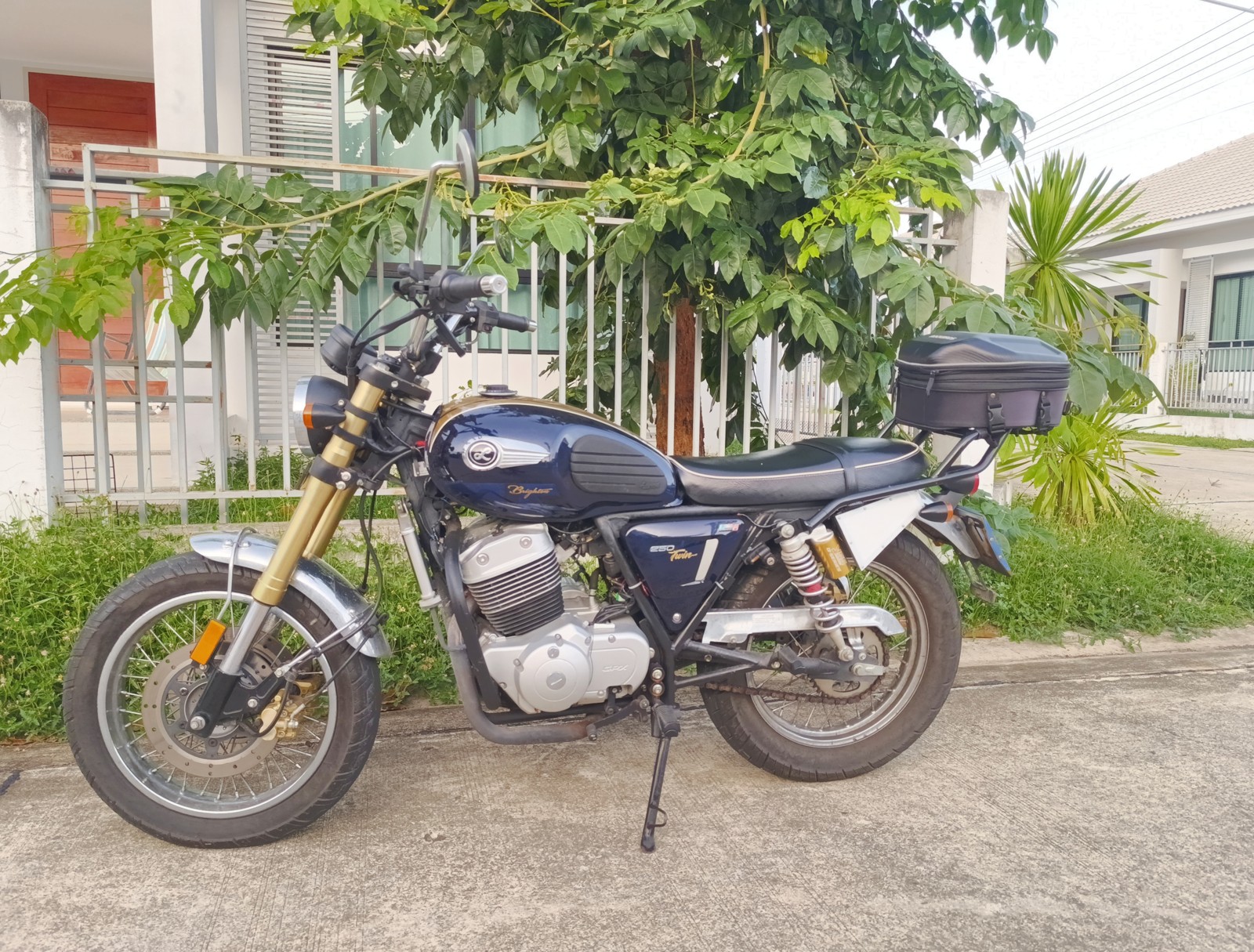

The modifications
From the wiring
to the way it rides.
Each project starts with something I want to understand or improve on my own bike. Here are the decisions, the details and the work along the way.
The GPX 250 Twin is a good city bike. I’ve been riding mine every day for almost two years now. It has its strengths, and it has its weaknesses.
What I like
- It’s fucking beautiful. No, let me put that differently. It’s fucking gorgeous, and the whole design just works.
- The brakes are excellent.
- It holds the road brilliantly in the rain.
- It carries my 105 kg bulk and a beautiful, graceful pillion passenger in reasonable comfort.
What I don’t like
- Gear changes. An oil change helps, but only for a while. I use fully synthetic 10W-50.
- The vague turn-signal switch. Sorted that out with my self-cancelling turn signals.
- Vibration at high revs. Above 90 km/h, it gets so bad that you might as well stop looking in the mirrors: you can’t see a thing, everything is shaking. No fix for that.
- The instrument cluster. An awful creation by some nameless developer. See my complaints about the stock cluster for the details. The cure is a complete replacement: my DIY instrument panel.
Dear gentlemen at GPX: I understand that you got a ready-made engine. It is what it is. But how could you accept that instrument cluster from your supplier? Where were the validation and verification? I can set up an R&D department and a testing team for you.
TrueKeylessGPX
Keyless ignition.
Built around my GPX.
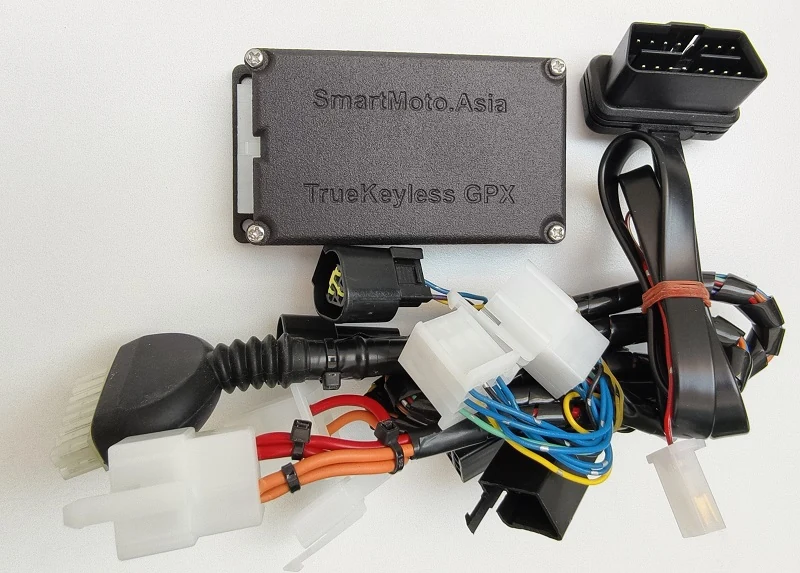
The control unit and its dedicated pin-to-pin harness for the GPX 250 Twin. Keyless ignition, turn signals, trip recording and diagnostics began here, on my own motorcycle.
Explore TrueKeylessGPXElectronics & signals
01 / 06Keyless ignition
TrueKeylessGPXI developed this system for my GPX 250 Twin, complete with a dedicated pin-to-pin wiring harness.
TrueKeylessGPXRead more 02Keyless ignition
EasyRideA fully open-source keyless ignition device I developed for my GPX, using a phone for access and starting.
EasyRideRead more 03Self-cancelling turn signals
Controls & firmwareUsing speed, distance and braking context to decide when to cancel.
TrueKeylessGPXRead more 04Trip computer
Signals & riding dataTurning the motorcycle’s signals into useful information about a ride.
TrueKeylessGPXRead more 05Engine diagnostics
ECU integrationThe engine-diagnostics branch of the TrueKeylessGPX project.
TrueKeylessGPXRead more 06Inside the stock GPX instrument cluster
A three-part investigationReverse engineering the stock GPX 250 Twin cluster: disassembly, connector pinout, bench tests and input signals.
GPX workshopRead more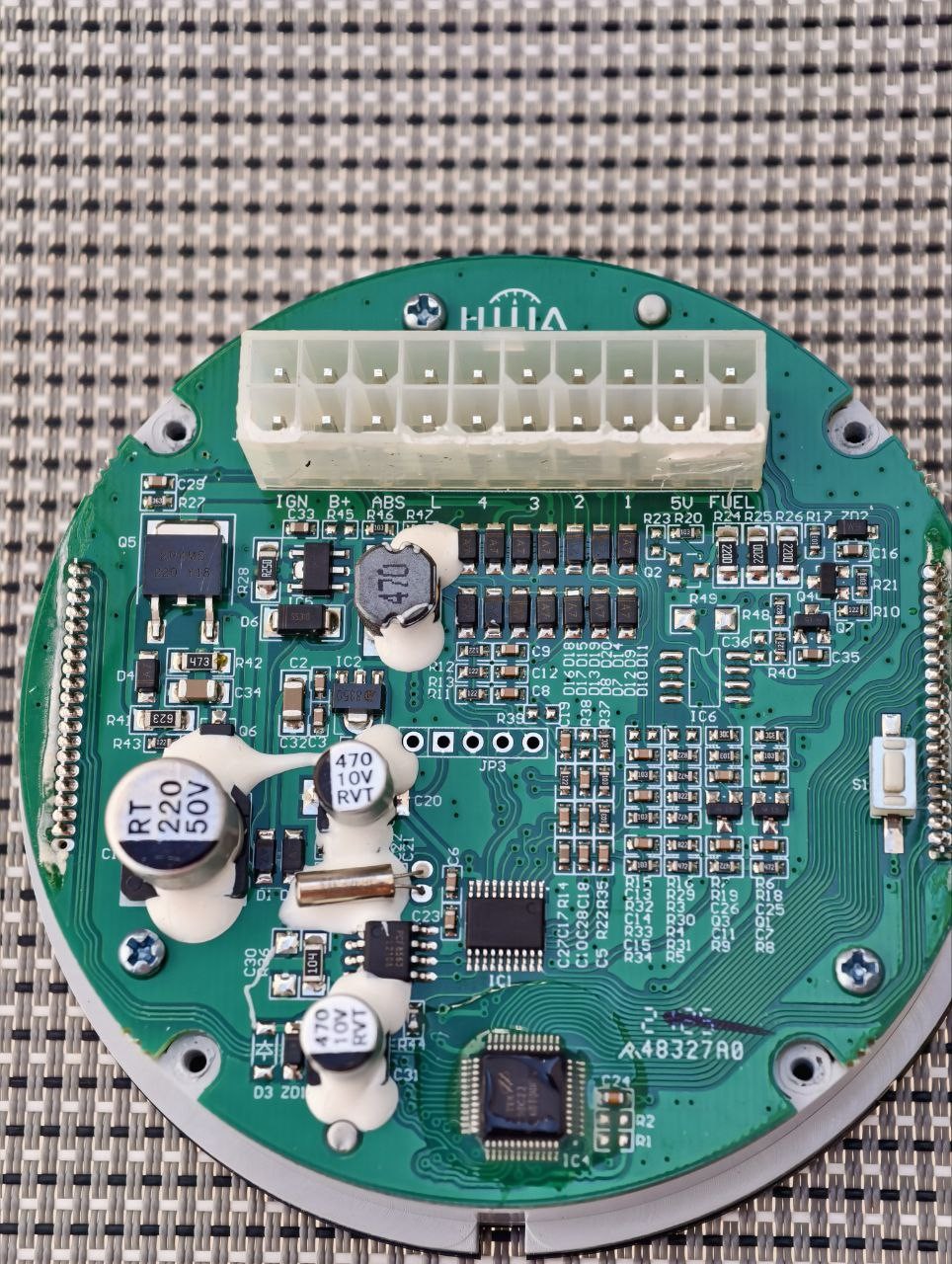
From the notebook
First, find out
what’s already there.
A 20-pin connector. Speed and RPM signals. A board with an unmarked microcontroller. The stock GPX instrument cluster was a good place to start.
Inside the stock GPX clusterMore from the workshop
07 / 13More lighting, mechanical and security notes from my GPX workshop.
Custom instrument cluster for the GPX 250 Twin
Vintage looks. Connected intelligence.An open-source Arduino instrument cluster with chronograph-style dials, analogue needles and round LCDs, plus BLE connectivity, smart home integration and an AI assistant.
In developmentRead more 08Lighting upgrades
Motorcycle lightingLighting upgrades on my GPX: auxiliary lights, indicators and other lighting details.
GPX workshopRead more 09Forward controls
Comfort & riding positionExtra forward footpegs built from affordable Lazada parts, giving me room to stretch my legs on longer rides.
GPX workshopRead more 10Windscreen mount
Simple brackets, basic toolsA universal Lazada windscreen adapted to the GPX with perforated steel strip and basic hand tools.
GPX workshopRead more 11Theft protection
Risk, deterrence & trackingMy take on motorcycle theft protection, drawing on years of security analysis, system development and reverse engineering.
Workshop notesRead more 12Spare parts catalogue
GPX Legend 250 Twin IIThe parts catalogue in PDF format. Opens in a new tab.
PDF · 2.4 MBOpen PDF 13MT-05 ECU diagnostics & tuning
HUD ECU HackerA very useful resource on diagnostics, remapping and tuning the MT-05 engine ECU used in our motorcycles. Opens in a new tab.
PDF · 6.6 MBOpen PDF
The person at the workbench
I like to understand
how things work.
I’m Sergei Kuzmin, an electronics engineer. My professional work has included embedded systems and electronics for autonomous vehicles. Motorcycles are a personal interest—and my GPX gives me plenty of reasons to get back to the workbench.
I document these projects to share what I find: the signals, the circuits, the design decisions and the details that are easy to miss.
Have a technical question? Get in touchElsewhere in my workshop